
Choosing the right filter housing is one of the most consequential decisions in industrial fluid management. The housing is not merely a container; it is the structural backbone of the entire filtration system, determining longevity, safety, and operational efficiency. When procurement managers and plant engineers evaluate their options, the debate almost always narrows to two materials: stainless steel and carbon steel. Each brings distinct advantages and trade-offs that can dramatically affect total cost of ownership and system performance. Understanding these differences is essential before committing capital to a new installation or upgrade.
Durability and Corrosion Resistance
The single most important distinction between stainless steel and carbon steel filter housings lies in how they resist environmental degradation. Stainless steel, particularly grades 304 and 316L, contains chromium that forms a passive oxide layer on the surface. This layer self-repairs when scratched and provides exceptional protection against rust, chemical attack, and pitting. For applications involving aggressive fluids, saltwater, chlorides, or steam sterilization, stainless steel is the clear choice. It withstands the corrosive environments found in chemical processing, offshore oil and gas, pharmaceutical production, and food and beverage facilities where hygiene standards are non-negotiable.
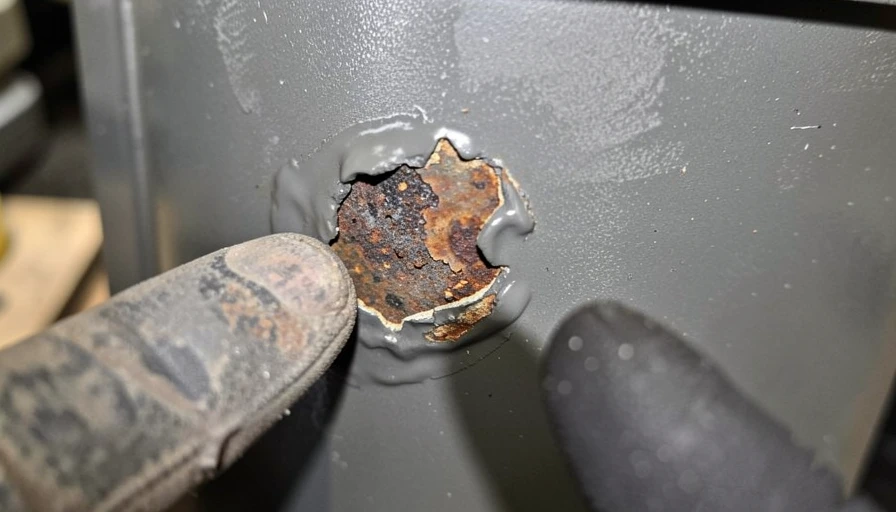
Carbon steel, by contrast, relies on external coatings such as epoxy, paint, or galvanization to resist corrosion. The base metal itself is vulnerable to moisture and oxygen. Once a coating is scratched, chipped, or compromised during transport or installation, rust can begin propagating beneath the surface. This makes carbon steel housings less suitable for humid coastal climates, wet processing environments, or any application where the housing is regularly washed down. However, in dry, indoor settings with neutral fluids, carbon steel can perform reliably for many years if the protective coating is maintained.
Temperature tolerance also favors stainless steel. Austenitic stainless grades retain mechanical strength at both cryogenic temperatures and elevated heat up to approximately 800°C, whereas carbon steel begins to lose structural integrity above 400°C. For high-temperature filtration processes, such as those found in petrochemical refining or power generation, stainless steel is the safer material.
Cost and Operational Efficiency
Initial purchase price is where carbon steel holds a clear advantage. A carbon steel filter housing typically costs 30 to 50 percent less than an equivalent stainless steel unit. For large-scale installations requiring dozens of housings, this upfront saving can be substantial. Budget-conscious projects, especially in industries where corrosion risk is low, often default to carbon steel for this reason.
Yet the lower purchase price must be weighed against lifecycle costs. Carbon steel housings require periodic recoating, rust inspection, and potential early replacement if corrosion sets in. These maintenance activities add direct labor and material costs and also create downtime. A plant that shuts down for housing maintenance loses production revenue. Stainless steel, with its minimal maintenance profile, often proves more economical over a ten-year horizon despite the higher initial outlay.
Weight is another operational factor. Carbon steel is denser and heavier than stainless steel, making installation more labor-intensive and requiring stronger structural supports. Stainless steel housings are lighter, easier to handle, and place less load on piping systems and foundations. For skid-mounted or mobile filtration units, weight savings can be decisive.
When evaluating suppliers, it pays to work with an established industrial filter housing manufacturer that offers both material options and can provide lifecycle cost modeling tailored to your specific process conditions. A manufacturer with deep application experience will help avoid the common mistake of optimizing for purchase price at the expense of long-term reliability.
Application Suitability
Different industries impose different demands on filter housings, and material selection must align with the operating environment.
Chemical and Pharmaceutical Processing
These sectors handle acids, caustics, solvents, and high-purity fluids. Stainless steel 316L is the standard because it resists chemical attack and does not leach contaminants into the process stream. Internal surface finishes can be electropolished to reduce bacterial adhesion and facilitate cleaning-in-place protocols. Carbon steel is rarely specified here due to contamination risks and poor chemical resistance.
Oil and Gas, Petrochemical
Hydrocarbon processing involves flammable fluids, high pressures, and temperature fluctuations. Both materials are used, but the choice depends on the fluid composition. Sour gas containing hydrogen sulfide requires corrosion-resistant alloys. For sweet crude and refined products in dry environments, carbon steel with appropriate coatings is common. Pressure vessel codes such as ASME Section VIII apply regardless of material, and wall thickness calculations differ because stainless steel has higher allowable stress values, potentially reducing the required thickness.
Water and Wastewater Treatment
Municipal and industrial water treatment plants often use carbon steel housings for cost reasons, especially in filtration trains handling non-potable water. However, if the water contains chlorides above 200 ppm, or if the plant uses chlorine dioxide for disinfection, stainless steel is recommended to prevent chloride stress corrosion cracking. Desalination plants universally specify stainless steel or duplex alloys.
Food and Beverage
Hygiene regulations including FDA, 3-A, and EHEDG standards mandate stainless steel. Carbon steel cannot be adequately cleaned and poses a risk of rust contamination in food products. The surface finish must be smooth and free of crevices where microorganisms could harbor.
Choosing the Right Material
There is no universal winner in the stainless versus carbon steel debate. The correct choice depends on a disciplined evaluation of three factors: the chemical and physical properties of the fluid being filtered, the ambient environment where the housing will operate, and the total cost of ownership over the planned service life.
For installations where corrosion risk is low, the environment is dry and controlled, and capital constraints are tight, carbon steel delivers acceptable performance at a lower entry price. For applications involving corrosive media, strict hygiene requirements, high temperatures, or where maintenance access is difficult, stainless steel is the superior investment.
A practical approach is to conduct a material selection matrix. List your process fluid, operating temperature and pressure, cleaning chemicals, ambient humidity, and required service life. Score each material against these criteria. In many facilities, a mixed fleet makes sense: stainless steel for critical or corrosive services and carbon steel for benign, low-risk loops.
Ultimately, the best filter housing is the one that matches your specific process conditions without compromise. Work with a supplier who understands both materials and can guide you through the trade-offs. The upfront effort spent on proper material selection pays dividends in reliability, safety, and cost performance for the lifetime of the system.