
Why Wiring Harness Quality Defines Vehicle Reliability
An automotive wiring harness is the central nervous system of any vehicle, bundling dozens or hundreds of wires into a single organized assembly that routes power and signals to every critical system. From engine control units and fuel injectors to sensors and infotainment, a single defective connection can trigger recalls, production delays, and safety risks. For OEMs and engineers evaluating a custom automotive wiring harness manufacturer, understanding the key factors that separate a reliable supplier from an inadequate one is essential. Below are the ten most important considerations to guide your evaluation.
Material Selection, Environmental Resistance, and Electrical Ratings
Wire Gauge and Insulation Materials
Wire gauge options for custom harnesses typically range from 30 AWG to 4/0 AWG, supporting current loads from milliamps to over 500 amperes. The choice of insulation material directly affects durability. Common options include PTFE for high-temperature environments, cross-linked polyethylene (XLPE) for enhanced durability, PVC for standard applications, and thermoplastic elastomers (TPE) where flexibility is critical. A capable manufacturer offers unlimited selection of insulation style, wire color, and breakout location to match your specific application.
Temperature and Environmental Resistance
Automotive harnesses must withstand extreme conditions. Look for a manufacturer whose assemblies operate across a range of -65°C to 250°C (-85°F to 482°F). Engine bay environments expose wiring to heat, road salt, oil, and mechanical stress. Quality bundling techniques using automotive-grade cable ties, spiral wrap, split loom tubing, braided sleeving, and heat shrink tubing are essential for long-term reliability. In September 2026, Cloom Tech announced enhanced capabilities for manufacturing waterproof wire harnesses designed specifically for harsh-environment applications where moisture is a primary concern.
Voltage and Current Ratings
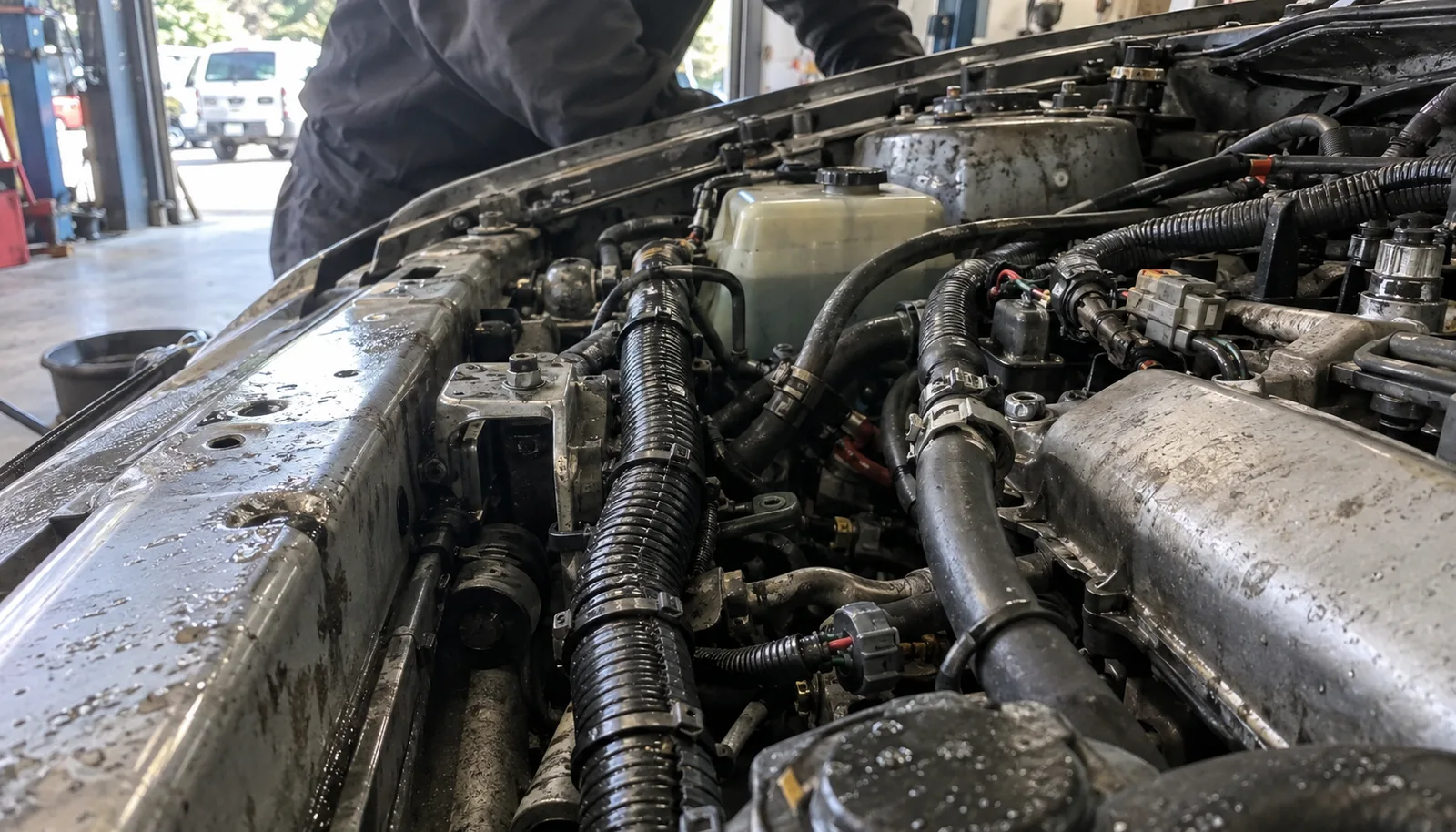
Standard automotive applications require voltage handling up to 600 volts, while specialized military and aerospace solutions may reach 3,000 volts. Current carrying capacity must match your system demands. Electric vehicle and hybrid applications introduce unique high-voltage requirements for battery packs, inverters, and motor controllers, demanding specific shielding and high tensile strength in the harness construction.
Certifications, Manufacturing Capabilities, and Customization
Quality Certifications and Standards Compliance
The gold standard for automotive suppliers is IATF 16949, which adds 281 additional requirements on top of ISO 9001:2015. Major OEMs including GM, Ford, BMW, and Toyota require IATF 16949 compliance from their tier 1 and tier 2 suppliers. Additional certifications to look for include IPC/WHMA-A-620 for wire harness assembly acceptance, ISO 13485 for medical applications, and compliance with UL, REACH, and RoHS standards. For authoritative information on IATF 16949 rules, visit IATF Global Oversight.
Prototyping Speed and Production Capacity
Time to market is critical. A strong manufacturer offers standard rapid prototyping in as little as two weeks, with expedited timelines possible for urgent projects. Mass production runs of 10,000 units or more can be completed in 15 to 20 days when the design and tooling are established. Core fabrication services should include wire cutting, marking, stripping, crimping, soldering, ultrasonic wire welding, and final assembly under one roof.
Customization Options
Every vehicle platform has unique wiring requirements. Look for a partner that offers embedded logos or text on harnesses, unlimited selection of wire colors, and customizable breakout locations. Connector selection should include major brands such as AMP, TE Connectivity, Yazaki, and Deutsch-compatible options. Cable bundling components can be tailored with automotive-grade cable ties, spiral wrap, split loom tubing, braided sleeving, and heat shrink tubing to match your installation environment.
Supply Chain, Testing, and Post-Delivery Support
Global Sourcing and Supply Chain Resilience
A reliable manufacturer maintains relationships with top-tier component suppliers. Look for partnerships with brands like TE Connectivity, Mouser Electronics, Arrow Electronics, Digi-Key Electronics, and Avnet for material procurement. A dual-location strategy — such as a US facility paired with an overseas factory — can provide supply chain flexibility and reduce lead time risk. The IPC/WHMA-A-620 standard, published by the IPC association, defines the acceptance requirements for wire harness assemblies and is a critical benchmark to verify.
Testing and Quality Control Processes
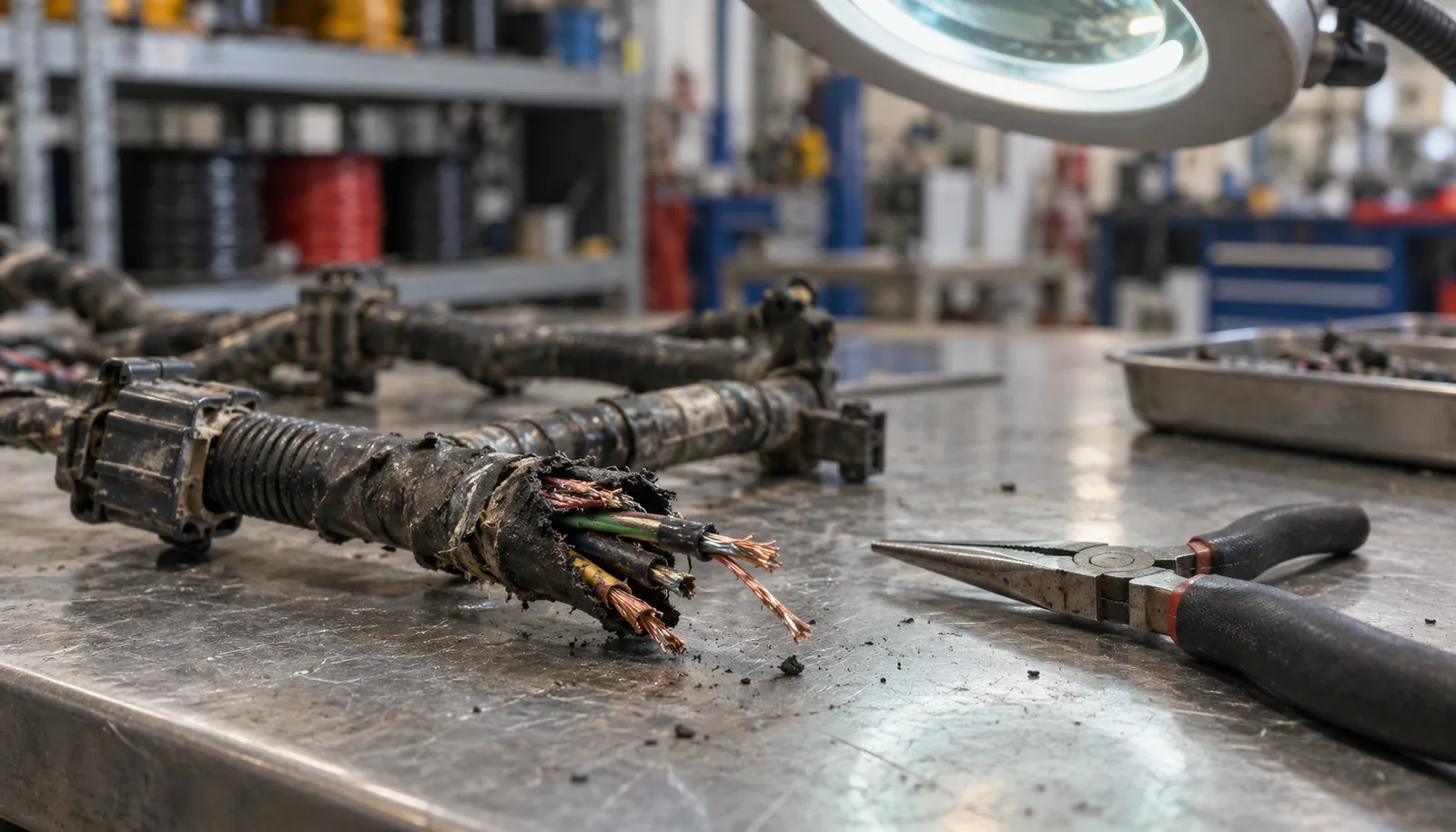
Every harness leaving the factory should undergo 100 percent visual inspection and 100 percent continuity testing. Additional quality checks should include high-voltage withstand testing, insulation resistance testing, and environmental stress testing. In high-vibration environments, Terminal Position Assurance (TPA) mechanisms prevent contacts from backing out. These protocols directly reduce the risk of field failures and warranty claims.
Experience, Track Record, and Post-Delivery Support
Evaluate a manufacturer's demonstrated experience with automotive applications. Case studies involving high- and low-voltage harnesses with specific shielding and tensile strength requirements provide concrete evidence of capability. Post-delivery support should include design assistance, global material procurement coordination, and responsive communication throughout the production lifecycle. The SAE International standards library offers additional context on automotive engineering requirements that suppliers should be familiar with.
Making the Right Choice for Your Next Project
Selecting a custom automotive wiring harness manufacturer is a decision that affects vehicle safety, production timelines, and long-term reliability. By evaluating each of these ten factors — material selection, temperature resistance, voltage ratings, certifications, prototyping speed, customization options, supply chain strength, testing protocols, industry experience, and post-delivery support — you can confidently choose a partner that meets the rigorous demands of automotive manufacturing. Whether you are developing a new EV platform or upgrading an existing commercial vehicle line, a thorough supplier evaluation is the foundation of a successful wiring harness program.